
If you share your home with a cat, you have probably noticed how much time it spends sleeping. Whether curled up on the sofa, stretched out in a sunny spot or tucked into a quiet corner, cats seem to find an opportunity to nap almost anywhere. But this is more than a habit of comfort. Sleep plays an essential role in a cat’s physical health, mental well-being and natural behaviour.
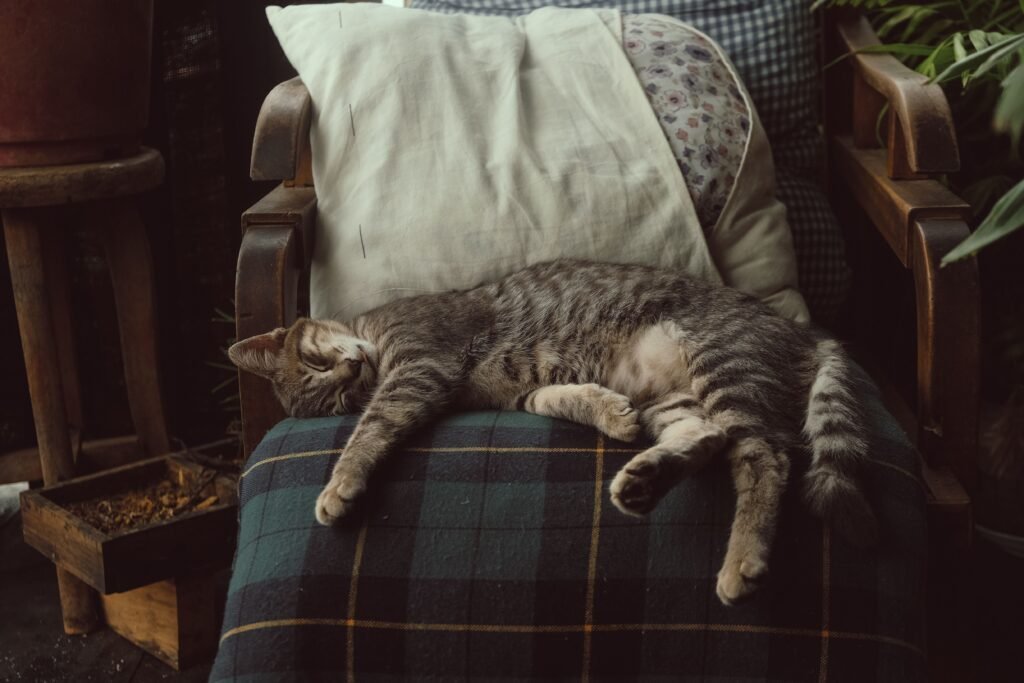
Photo Credit: Dương Nhân
How Much Sleep Does a Cat Need?
Most adult cats sleep around 12–16 hours a day, although some may sleep even longer. Kittens and older cats generally need more rest. Unlike humans, cats do not usually sleep for one long stretch. Instead, they alternate between short periods of sleep and wakefulness throughout the day and night.
This pattern is connected to their natural instincts. Cats are crepuscular animals, meaning they are generally most active around dawn and dusk. Their sleeping habits reflect the rhythms of their ancestors, who hunted during these quieter hours.
Sleep Supports Physical Health
Just like humans, cats need sleep to recover and maintain good health. During rest, their bodies repair tissues, support immune function and conserve energy. This is particularly important for growing kittens, whose bodies and brains are still developing.
Adequate sleep also helps cats maintain their energy for everyday activities such as playing, exploring, climbing and hunting.
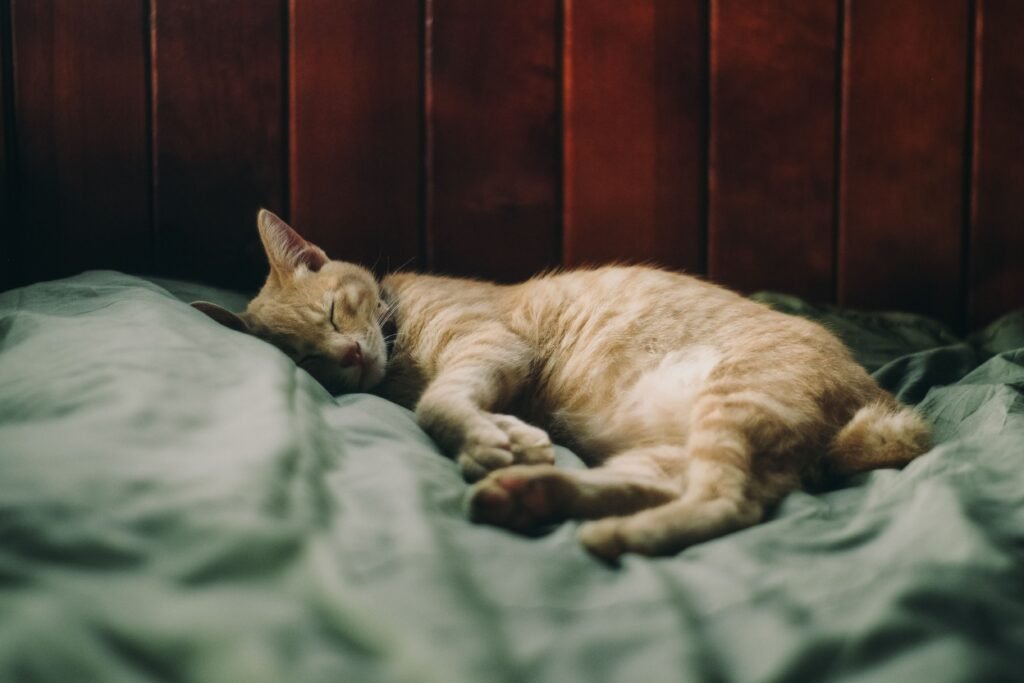
Photo Credit: Dương Nhân
Sleep and Mental Well-being
Rest is important for a cat’s brain, too. Sleep helps with learning, memory and processing experiences. A comfortable and undisturbed sleeping environment can also help reduce stress, particularly for cats living in busy households.
Cats often choose sleeping places where they feel safe. A quiet corner, a familiar blanket or a warm elevated spot can provide the security they need to relax.
How Can You Help Your Cat Sleep Better?
You do not need to create a complicated sleeping routine. A few simple arrangements can make a difference:
- Provide a quiet space: Give your cat a comfortable place away from excessive noise and household activity.
- Choose comfortable bedding: Soft blankets and supportive cat beds can make resting more enjoyable.
- Allow uninterrupted rest: Avoid disturbing your cat unnecessarily when it is sleeping.
- Encourage daytime activity: Interactive play and suitable toys help cats use their energy and maintain a healthy daily rhythm.
- Keep a consistent routine: Regular feeding and playtimes can help your cat feel secure.
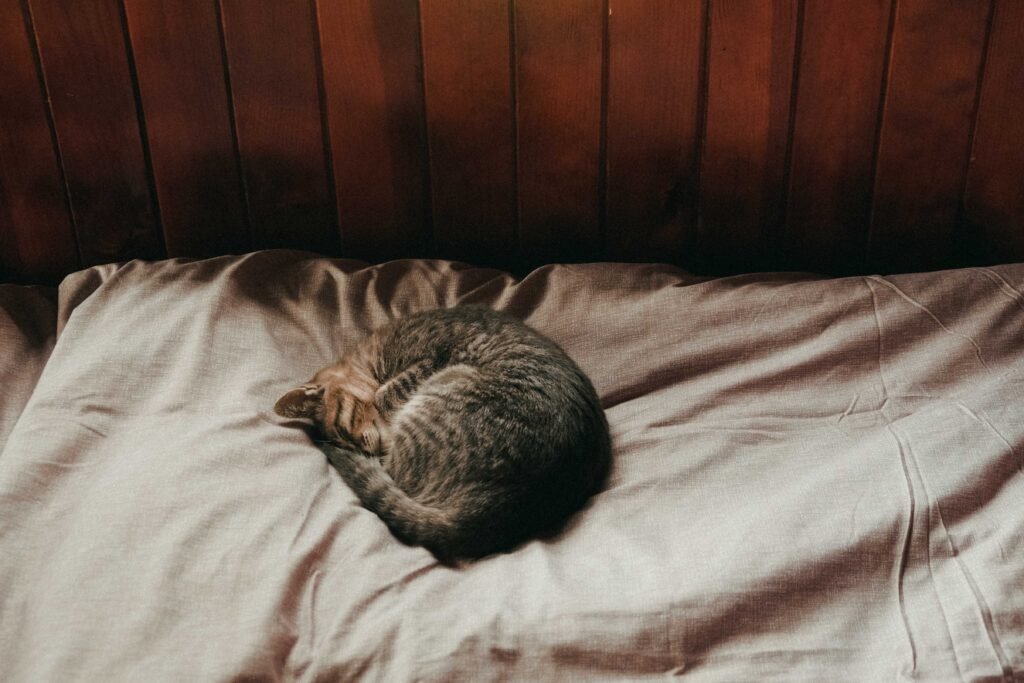
Photo Credit: Dương Nhân
When Should You Be Concerned?
Although cats naturally sleep for long periods, sudden changes in sleeping habits deserve attention. If your cat becomes unusually sleepy, loses interest in play, hides more than usual or shows changes in appetite, it may be experiencing a health problem. Consult a veterinarian if you notice persistent or concerning changes.
Final Thoughts
Sleep is not simply a way for cats to pass the day. It is a fundamental part of their health and natural behaviour. By providing a peaceful, comfortable place to rest and allowing them enough time to sleep, you are supporting your cat’s overall well-being. Sometimes, one of the best things you can do for your cat is simply let it enjoy a good nap.